
What to Expect from Photodynamic Therapy: Treatment, Recovery, and Results
If you’ve been diagnosed with sun damage or precancerous skin lesions, you may have heard about Photodynamic Therapy (PDT) as an effective treatment option. But what exactly does the process involve — and what should you expect before, during, and after treatment?
At Summit Dermatology in Medford, Oregon, we use Photodynamic Therapy to help patients throughout Southern Oregon treat damaged skin, improve skin health, and reduce the risk of future skin cancer — all with a targeted, dermatologist-guided approach.
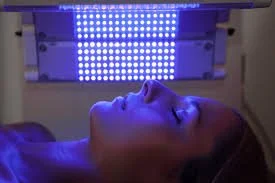
What Is Photodynamic Therapy (PDT)?
Photodynamic Therapy is a specialized dermatology treatment that uses a light-sensitive solution combined with a controlled light source to target damaged or abnormal skin cells.
It’s most commonly used to treat:
Actinic keratoses (precancerous lesions)
Sun-damaged skin
Certain types of acne
Uneven skin texture and tone
This treatment works by selectively destroying damaged cells while leaving healthy tissue largely unaffected — making it both effective and precise.
What Happens During a PDT Treatment?
Photodynamic Therapy is typically performed in-office and involves a few key steps:
1. Skin Preparation
Your provider will cleanse the treatment area and may gently prep the skin to allow better absorption of the solution.
2. Application of the Light-Sensitizing Solution
A topical medication is applied to the skin and left to absorb for a specific period of time. This solution targets abnormal or damaged cells.
3. Light Activation
Once the solution has been absorbed, a specialized light is used to activate it. This step destroys targeted cells while stimulating skin renewal.
Total appointment time: Usually 1–2 hours depending on the treatment area.

What to Expect During Recovery
Recovery is one of the most important parts of PDT — and proper aftercare ensures the best results.
After treatment, you may experience:
Redness similar to a sunburn
Mild swelling or sensitivity
Peeling or flaking as damaged skin sheds
Most patients recover within several days to a week, depending on the intensity of treatment.
Important: Your skin will be highly sensitive to light immediately after treatment. Strict sun avoidance and protection are essential during the first 24–48 hours.
Your provider will give you detailed aftercare instructions and may recommend medical-grade skincare to support healing.
Results: What Improvements Can You Expect?
Photodynamic Therapy doesn’t just treat visible damage — it improves overall skin health.
Patients often notice:
Reduction in precancerous lesions
Smoother skin texture
More even tone
Healthier, clearer-looking skin
Results continue to improve as your skin heals and regenerates. Many patients benefit from a series of treatments for optimal outcomes.
Why Choose PDT at Summit Dermatology in Medford
Southern Oregon’s high sun exposure makes treatments like PDT especially valuable for prevention and long-term skin health.
At Summit Dermatology:Treatments are customized to your skin and conditionProviders understand regional sun damage patterns in MedfordCare plans often include skin cancer screenings, preventive dermatology, and ongoing skincare guidance
We also recommend pairing PDT with regular skin exams and sunscreen use, following guidelines from trusted sources like the American Academy of Dermatology.
FAQs
Q: Is Photodynamic Therapy painful?
Most patients experience a warming or tingling sensation during the light activation phase. Discomfort is typically temporary and manageable.
Q: How long does it take to see results?
Initial improvement is visible after healing, with continued skin improvement over several weeks.
Q: How many PDT treatments will I need?
This depends on your skin condition. Some patients need one treatment, while others benefit from a series.
Q: Can I wear makeup after PDT?
You should avoid makeup until your skin has healed, usually for a few days post-treatment.
Q: Is PDT covered by insurance?
When used to treat precancerous lesions like actinic keratoses, PDT is often covered. Coverage varies, so check with your provider.
Protect and Restore Your Skin with Summit Dermatology
Photodynamic Therapy is a powerful way to treat sun damage and protect your long-term skin health. With expert care and proper timing, it can significantly improve both the appearance and health of your skin.
At Summit Dermatology in Medford, Oregon, we’re here to guide you through every step — from consultation to recovery.
Schedule your Photodynamic Therapy consultation today and take a proactive step toward healthier skin.
Call Summit Dermatology in Medford or book online to get started.