
The Truth About Tanning: Safe Alternatives for a Sun-Kissed Look
There’s something about a sun-kissed glow that just feels good.
It can make your skin look more even, your features more defined, and give you that “just got back from vacation” confidence—even if you haven’t left Indiana. But for many people, getting that glow isn’t as easy as laying out in the sun. Some skin types barely tan at all, while others burn first and regret it later.
So here’s the honest truth: the traditional way of tanning comes with long-term consequences that aren’t worth the short-term glow.
The good news? Summit Dermatology in Medford, OR offers better options now—ones that give you the look you want without damaging your skin in the process.
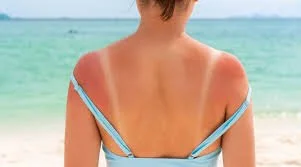
Why Some People Struggle to Tan (And Why That Matters)
If you feel like you just don’t tan easily, there’s a reason for that—and it comes down to your skin type.
People with lighter skin tones typically produce less melanin, which is the pigment responsible for tanning. Instead of developing a deeper color, their skin is more likely to burn when exposed to UV rays.
Even for those who can tan, it’s important to understand what’s actually happening:
A tan is your skin’s response to injury. UV exposure triggers melanin production as a defense mechanism—not as a sign of healthy skin.
That means whether you burn or tan, your skin is still taking on damage beneath the surface.
The Hidden Cost of That Glow
A natural tan might look good in the moment—but over time, it can lead to changes that are much harder to reverse.
Repeated sun exposure breaks down collagen and elastin, which are essential for firm, smooth skin. This is why tanning is closely linked to:
Premature fine lines and wrinkles
Uneven pigmentation and dark spots
Rough or leathery skin texture
More importantly, UV exposure significantly increases your risk of skin cancer.
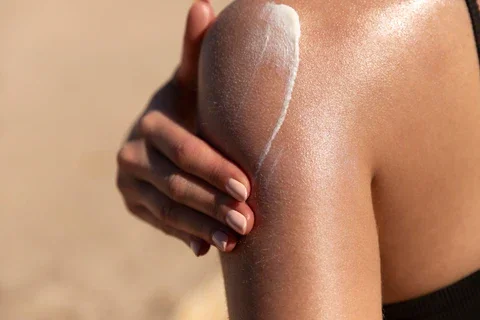
So… What Actually Works Instead?
If you’re trying to achieve that bronzed look without the damage, the goal is simple: enhance your skin’s appearance without triggering a stress response.
Today’s skin care alternatives are far more advanced than they used to be—and when done right, they can look incredibly natural.
Self-Tanners Have Come a Long Way
If your last experience with self-tanner involved streaks or an orange tint, it’s worth revisiting.
Modern formulas are designed to adapt more naturally to your skin tone, creating a gradual, even glow. The key is preparation—proper exfoliation and hydration make a noticeable difference in how the color develops.
For many patients, this is the easiest and safest way to maintain a consistent “tan” year-round.
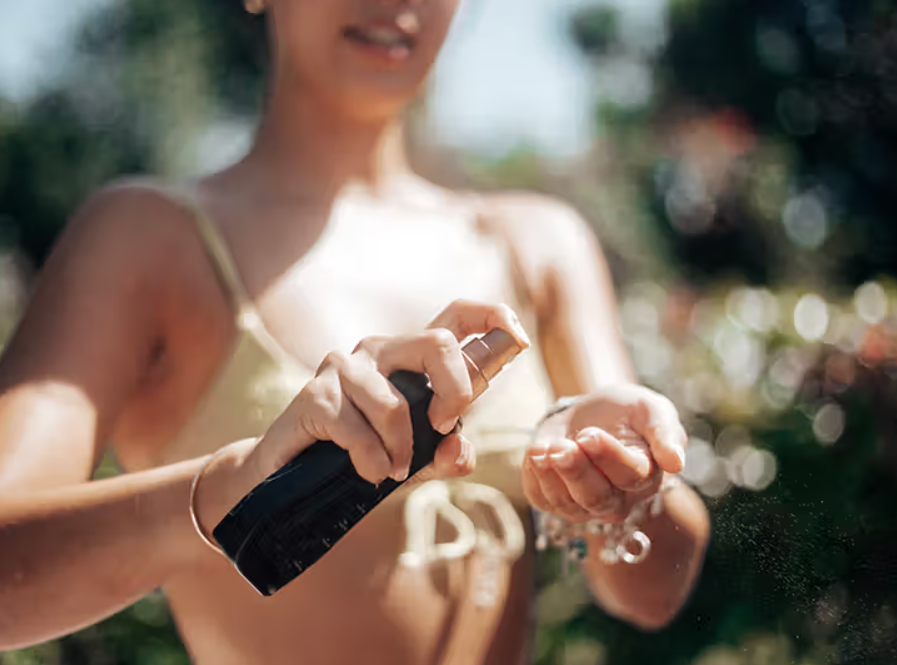
Spray Tans for a Quick, Even Glow
When you want instant results—especially before an event—spray tanning is a popular option.
A professional application can give you:
Even, streak-free color
Customizable depth of tone
Immediate results without sun exposure
The effect is temporary, but for many people, that’s part of the appeal.
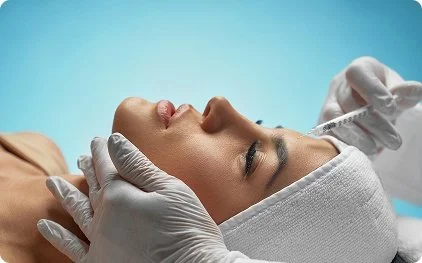
Skin Treatments That Enhance Your Natural Glow
Sometimes, what people are really after isn’t just a darker tone—it’s healthier, more radiant skin.
Treatments like Nouvaderm can help improve:
Skin tone and clarity
Texture and smoothness
Overall brightness
When your skin reflects light better and looks more even, you may find you don’t need a deep tan to feel confident.
Who Might Want to Consider Other Options?
One of the biggest misconceptions is that sunscreen is only necessary if you’re trying to avoid burning.
In reality, daily SPF is one of the most important steps you can take to:
Prevent premature aging
Protect against skin cancer
Maintain even skin tone
And yes—you can still achieve a bronzed look with self-tanner or spray tan while wearing SPF every day.
Rethinking the “Perfect Tan”
The idea that tanned skin is automatically healthier or more attractive is starting to shift—and for good reason.
More patients are prioritizing:
Long-term skin health
Even tone over darker tone
Natural radiance over artificial damage
And with the options available today, you don’t have to choose between looking good now and protecting your skin later.
FAQs About Tanning & Safer Alternatives
Is there any safe way to tan in the sun?
No—any tan from UV exposure indicates skin damage, even if you don’t burn.
Are tanning beds safer than the sun?
No. Tanning beds expose you to concentrated UV radiation and are strongly linked to increased skin cancer risk.
How long do self-tanners last?
Most last about 5–7 days, depending on your skin type and how well you maintain your skin.
Will SPF prevent me from getting color with self-tanner?
Not at all. Self-tanner works on the surface of the skin and doesn’t rely on UV exposure.
What’s the best option for a natural-looking glow?
It depends on your goals—self-tanner for maintenance, spray tans for quick results, and skin treatments for long-term improvement.
If you’ve been struggling to tan—or questioning whether it’s worth it—there’s a better way forward.
Schedule a consultation with Summit Dermatology to explore skin treatments that enhance your natural glow - without compromising your skin’s health.