
Spring Allergies and Your Skin: How to Calm Irritation and Redness
When spring arrives, many people expect blooming flowers and warmer days — but for your skin, it can also mean irritation, redness, and unexpected flare-ups. Seasonal allergies don’t just affect your sinuses; they can have a noticeable impact on your skin’s health and appearance.
At Summit Dermatology in Medford, Oregon, we often see an increase in patients dealing with sensitive, reactive skin during allergy season. Understanding how spring allergies affect your skin — and how to manage them — can help you stay comfortable and confident all season long.
How Spring Allergies Affect Your Skin
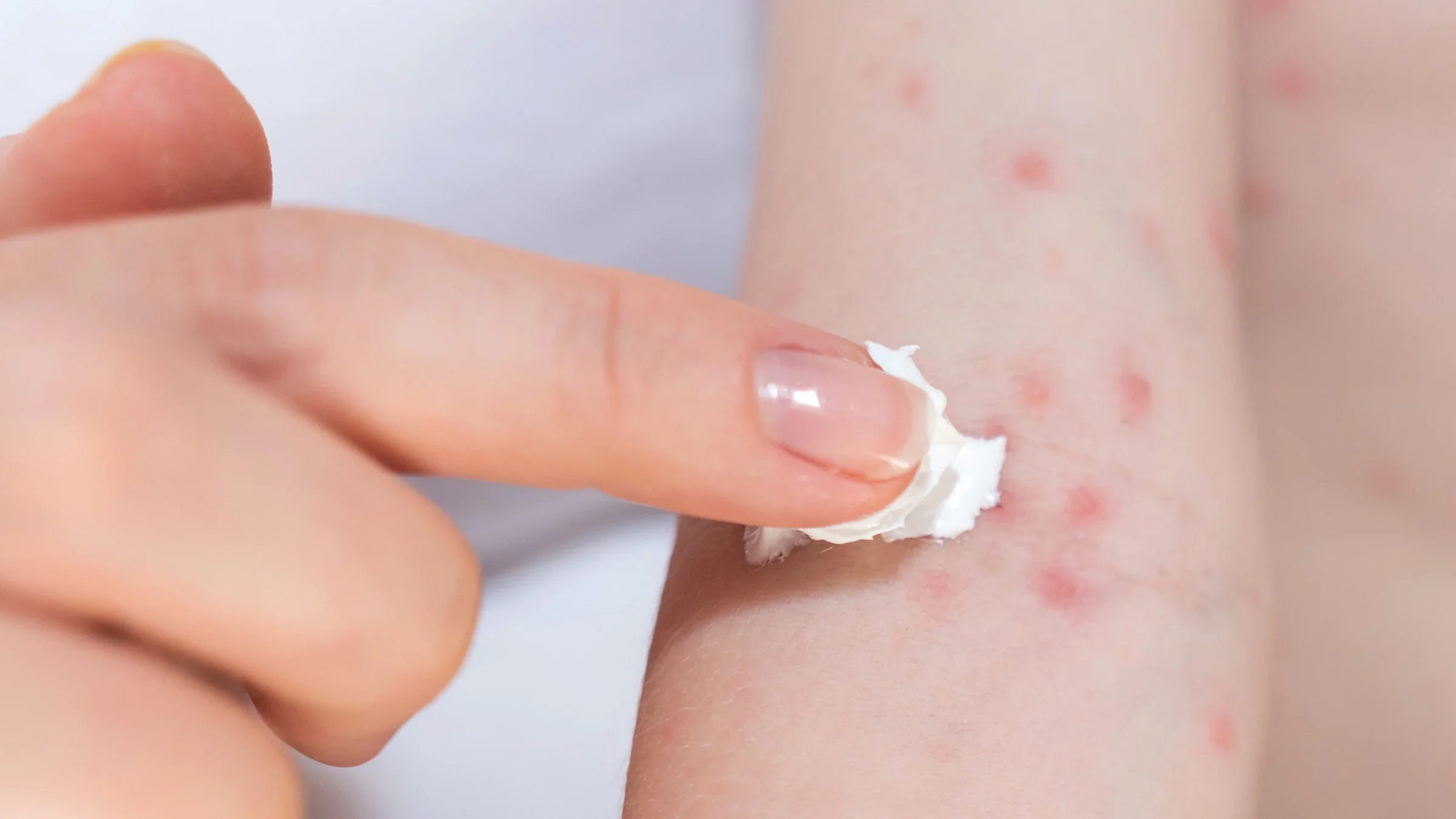
Allergens like pollen, grass, and environmental irritants can trigger your immune system, leading to inflammation not only internally but also on the skin’s surface. This reaction can weaken your skin barrier, making it more vulnerable to dryness, redness, and irritation.
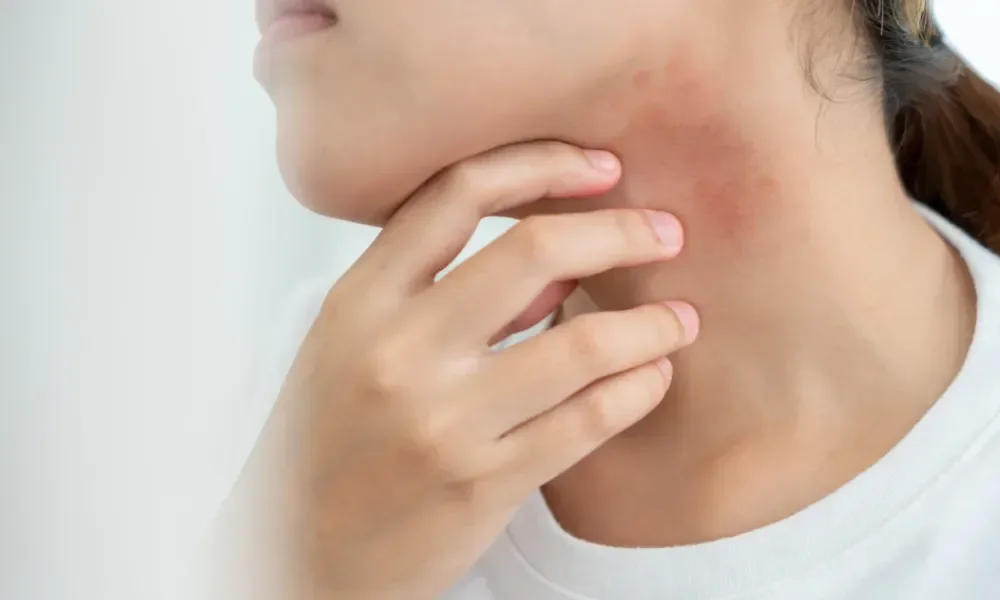
For many patients in Southern Oregon, where seasonal allergens can be especially high, this may show up as increased sensitivity, flare-ups of existing conditions like eczema or rosacea, or even new symptoms such as itching and blotchiness.
Even if you don’t typically have sensitive skin, seasonal changes alone can disrupt your skin’s balance.
Why Your Skin Becomes More Reactive in Spring
As temperatures rise, your skin begins producing more oil while also being exposed to new environmental triggers. Combined with allergens in the air, this creates the perfect conditions for inflammation.
At the same time, your skin barrier — which protects against irritants — may still be recovering from winter dryness. This makes it easier for allergens to penetrate and cause visible reactions.
Without proper care, this cycle can lead to persistent redness, discomfort, and uneven skin tone.
How to Calm Irritation and Redness
Managing allergy-related skin concerns starts with strengthening and protecting your skin barrier. Gentle skincare becomes especially important during this time.
Using mild, fragrance-free cleansers and hydrating products helps reduce irritation while supporting your skin’s natural defenses. Avoiding harsh exfoliants or overly active ingredients can also prevent further sensitivity.
Sun protection plays a key role as well. UV exposure can worsen inflammation, so applying a broad-spectrum sunscreen daily helps protect already reactive skin.
For patients experiencing more persistent symptoms, professional dermatology care can provide targeted solutions. Treatments and medical-grade skincare available through Summit Dermatology can help calm inflammation, restore balance, and improve overall skin comfort.

When to See a Dermatologist
While mild irritation can often be managed with skincare adjustments, ongoing redness, itching, or flare-ups may require professional treatment. Conditions like eczema, contact dermatitis, or rosacea can worsen during allergy season without proper care.
A dermatology consultation allows your provider to identify the cause of your symptoms and create a treatment plan tailored to your skin type and environment.
Why Local Dermatology Care Matters in Southern Oregon
Medford and the surrounding Southern Oregon region experience strong seasonal shifts, including high pollen levels and increased sun exposure. These environmental factors can make spring particularly challenging for sensitive skin.
At Summit Dermatology, we take these regional conditions into account when developing treatment plans. Our goal is to help your skin stay balanced and resilient — even during peak allergy season.
FAQs
Q: Can seasonal allergies really affect my skin?
Yes. Allergies can trigger inflammation that leads to redness, itching, dryness, and flare-ups of existing skin conditions.
Q: Why is my skin suddenly more sensitive in spring?
Your skin barrier may still be weakened from winter, making it more reactive to allergens and environmental changes.
Q: Should I stop using active skincare ingredients?
In some cases, yes. Reducing strong activities temporarily can help calm irritation and allow your skin to recover.
Q: Can dermatology treatments help with allergy-related skin issues?
Absolutely. Dermatologists can provide treatments and products specifically designed to reduce inflammation and restore skin balance.
Q: How can I prevent flare-ups during allergy season?
Consistent skincare, sun protection, and avoiding known triggers are key — along with professional guidance when needed.
Find Relief for Sensitive Skin at Summit Dermatology
Spring doesn’t have to mean uncomfortable skin. With the right care and expert support, you can manage irritation and maintain a calm, healthy complexion.
At Summit Dermatology in Medford, Oregon, we help patients navigate seasonal skin challenges with personalized care and effective treatment options.
✨ Schedule your dermatology consultation today and keep your skin calm, clear, and comfortable this spring.
📞 Call Summit Dermatology in Medford or book online to get started.